D&D Adventures with ADHD
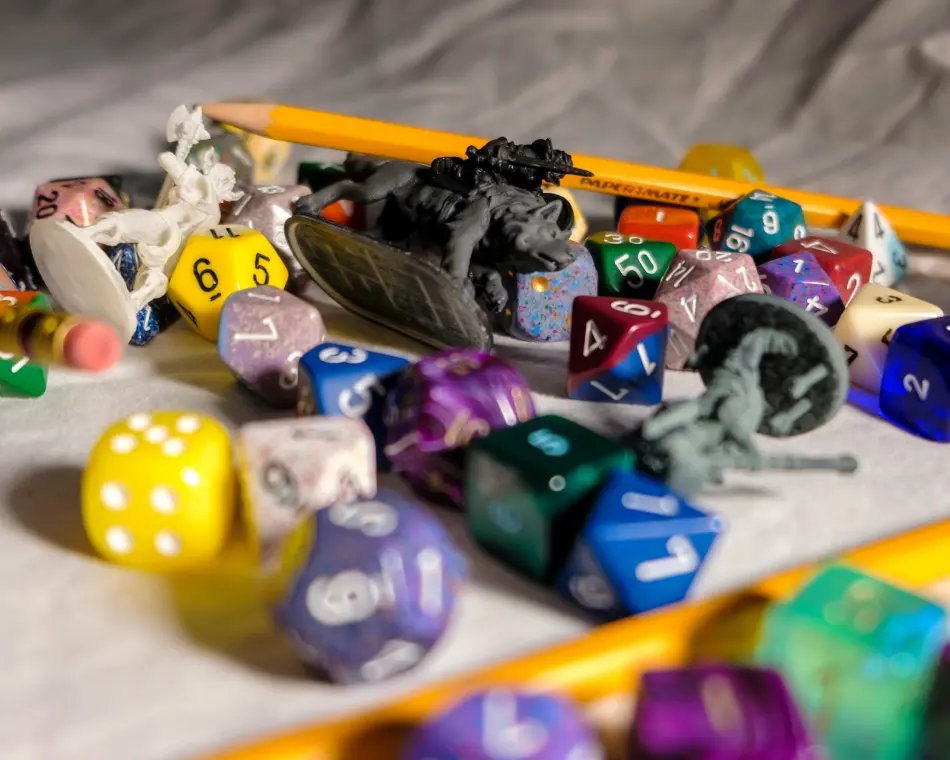
While you have likely heard of it before, Dungeons & Dragons (D&D) is a fantasy role-playing game where players meet in real life to explore a shared, imaginary world.
As someone who was once a socially awkward teenager, I remember when D&D felt like a secret world. Having lived with ADHD myself, I struggled significantly with impulse control and understanding the unwritten rules of social engagement. During my youth, these challenges even led me toward substance abuse as I searched for ways to cope with the feeling of not belonging. D&D became one of the first places where I learned how to build healthy, authentic connections. It wasn’t just about fighting monsters; it was about exploring who I was in a space where I felt safe to fail. For many teens today, this game is becoming more than a hobby—it is a pathway to identity, creativity, and real friendship.
The Modern Teen Crisis
We are currently facing a teen mental health crisis. Our teenagers are more isolated and anxious than perhaps any generation before them. Substance abuse is a major concern, and the connectedness promised by social media often leaves neurodivergent teens feeling more excluded than ever.
For teens with ADHD, Autism (ASD), or other forms of neurodivergence, the social world can feel like it is written in a language they weren’t taught. Living through the stressors of today’s society has left many young people craving stimulating and safe ways to connect, yet traditional methods of teaching social skills often miss the mark.
Why Standard Therapy Bores Kids
Many kids struggle with traditional therapy, for the ADHD and Neurodivergent brain, which thrives on stimulation and novelty. Sitting in a room with an individual therapist for a group for an hour or two without an agenda or some dry topic like Cognitive Behavioral Therapy Interventions, can be incredibly challenging. Also for kids that struggle with social skills the uncertainty of therapy can be overwhelming when they aren’t given a clear direction. This is why many kids drop out of therapy early or don’t see much progress.
The Role of the Therapist
Fantasy Role Playing Game based therapy can provide an exciting alternative for youth struggling with challenges like ADHD or Autism, where they can build social connection, find non-threatening ways to open up and be vulnerable and learn valuable therapy and life skills. They offer a social laboratory where the stakes are low but the engagement is high. Instead of talking about healthy communication, emotional regulation and other therapy skills, teens have to actually cooperate to survive a dragon’s lair or navigate a conflict when everyone wants the same magical sword. If a character makes a mistake, it is the character who fails, not the teen. This role distance reduces the shame that often stops learning in its tracks.
Real Skills, Real Connection
Studies have shown that tabletop games significantly increase social connectedness. The collaborative nature of the game fosters genuine bonds that move beyond the game table. For youth struggling with challenges like ADHD or Autism, the structured yet flexible nature of the game encourages spontaneous communication that clinical settings often struggle to produce. It turns a therapy session into a natural play environment where skills are practiced in real-time.
If you have a teen—or know one—who is struggling to find their tribe, I encourage you to help them embrace their inner nerd. Finding a local D&D group can be the first step toward finding a community where their neurodivergent traits are not just accepted, but are seen as the superpowers that help the team win. There are now specific therapeutic D&D groups being offered by trained professionals that combine the fun of the game with intentional clinical goals.
Join Our Next Adventure
To put these ideas into practice, I will be facilitating a dedicated Dungeons & Dragons group focused on helping neurodivergent youth develop essential emotional and relational skills. This group is designed to be a safe, creative space where teens can practice connecting with others while embarking on an epic journey. If you think your teen would benefit from this unique approach to growth and connection, please reach out to sign up or learn more about our upcoming sessions.