Do you have pain that doesn’t go away—despite trying everything?
It might have started with an injury, but even though the injury has healed, you are frequently reminded of it. Maybe there was no injury, but you suffer from headaches, stomach issues, or fatigue. Your doctor and other specialists may have prescribed medications, stretches, supplements, or alternative therapies. But the pain lingers. You might wonder: Is this just how my body is now?
If that sounds familiar, you’re not alone. Many people are living with chronic symptoms that don’t seem to have a clear cause—or a lasting solution. But there’s a growing body of neuroscience that offers a hopeful, and surprisingly empowering, explanation.
Your Brain Isn’t Just Noticing Pain. It Might Be Creating It.
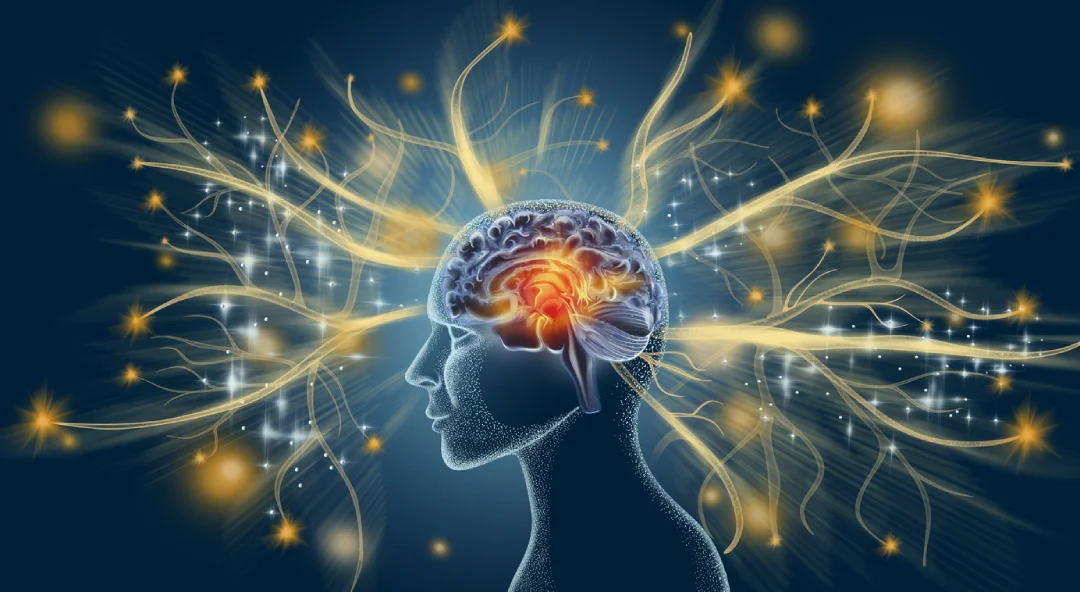
Back to the days of Freud, therapy has been used to treat mysterious physical symptoms. Recent research shows that, in addition to reacting to pain signals from your body, your brain can also generate what you feel in your body. This process, called predictive processing, explains why pain can persist even when there’s no ongoing injury or damage.
This doesn’t mean the pain is “all in your head.” It means your nervous system may be stuck in a protective loop that it learned to deal with stress, that it learned from past experience. Your brain does not want to hurt you; it is trying to help—by sending pain signals that no longer serve you.
(See: Wang et al., Nature Neuroscience, 2023; Lee et al., Institute for Basic Science, 2024.)
The Mind-Body Connection Isn’t Woo—It’s Science
When your brain sends pain signals in the absence of acute tissue or nerve damage, it’s called Mind Body Syndrome (MBS). This is a common condition where unresolved stress, emotional tension, or even personality traits like perfectionism or people-pleasing can lead to very real physical pain symptoms.
Many people with MBS have been told their pain is due to existing structural issues like arthritis, bulging discs, or inflammation. But when treatments don’t work, they’re left feeling frustrated, dismissed, or even blamed. In cases like this, the diagnosis might be incomplete.
A few psychotherapies have been developed to help people manage chronic pain symptoms. There are two research-backed approaches that are designed to relieve, rather than just cope with, chronic pain.
A Different Path to Healing
One approach, Pain Reprocessing Therapy (PRT), is a therapy which helps people retrain their brains to interpret pain signals differently. PRT focuses on helping the brain unlearn the fear and danger associated with chronic pain, reinforcing safety and calm through guided exercises and cognitive techniques.
(See: Ashar et al., JAMA Psychiatry, 2021.)
Emotional Awareness and Expression Therapy (EAET) builds on PRT. This therapy takes the practice of PRT and also considers internal emotional conflict and past trauma as contributing factors to chronic pain. Since many people’s chronic pain gets worse when they are stressed or repressing emotions, EAET therapists help people identify and express emotions that may be fueling their symptoms. Once you learn to express emotions in a safe place where you won’t be judged or hurt anyone’s feelings, the pain eases.
These therapies have been shown to help people with back pain, migraines, IBS, and fibromyalgia who haven’t responded to traditional treatments.(See: Lumley et al., JAMA Network Open, 2019; Psychology Today, 2022.)
Curious? You’re Not Alone.
If this resonates with you, you’re not imagining things. And you don’t have to keep pushing through pain without answers.
At The Solution Space, we offer both individual and group therapy using EAET and PRT. People who’ve struggled for years often begin to feel relief in just a few weeks—not because they’ve found the perfect treatment, but because they’ve finally found the right understanding.
You can learn more about Mind Body Syndrome, EAET, and PRT—and take a quiz to help determine if your chronic pain might have a psychological component—or schedule a free consultation.
Sometimes, the most powerful healing starts not with a new medication or procedure—but with a new perspective.